
"washed Bolivian beans"
300 article(s) found

Introduction of Bolivian Coffee Flavor and Fine Coffee Bean Manor
Bolivia's high-quality estates, very high altitude, perennial low temperature environment, so that coffee fruit growth is slow, tight enough, aroma is also charming, floral aroma is obvious, such as careful handling, cherries with the same maturity, often have a clean and meticulous high-end taste, this elegant vanilla and honey aromas are very attractive, this champion bean has a variety of floral aromas, vanilla and sweet very long-lasting. To

Bolivian coffee grinding method Variety characteristics Production area of fine coffee beans Introduction
Presidential elections were held on 18 December 2005. Evo Morales, leader of the Aymara Indian Movement for Socialism in Bolivia, won the election with 53.75% of the vote and took office on January 22, 2006. He became the first Native American president of Bolivia and the first leftist president of Bolivia. It began with progressive communal socialism (Indian socialism).

Rich and unique aroma of Bolivian coffee manor flavor and taste characteristics of snow vein manor
Arabica coffee cannot be grown in cold places above 2000 meters above sea level. if the altitude is too high, coffee trees will frost because the temperature is too low. So Bolivian coffee is mainly grown in the Yungas region northeast of La Paz. It borders the Amazon basin and is about 1500-2500 meters above sea level with an average annual temperature of about 10-15 ℃. Therefore, it ensures the growth of coffee.

Bolivian Coffee Variety producing areas introduce Yongas, northeast of La Paz
Arabica coffee cannot be grown in cold places above 2000 meters above sea level. if the altitude is too high, coffee trees will frost because the temperature is too low. So Bolivian coffee is mainly grown in the Yungas region northeast of La Paz. It borders the Amazon basin and is about 1500-2500 meters above sea level with an average annual temperature of about 10-15 ℃. Therefore, it ensures the growth of coffee.

Introduction to the characteristics of flavor varieties in Bolivian coffee manor with high quality and rich sour taste
On December 18, 2005, the presidential election was held. Aymara Indian, Evo Morales, leader of the Bolivian socialist movement, won the election with 53.75% of the vote and took office on January 22, 2006. He became the country's first Native American president and Bolivia's first left-wing president. Began with progressive community socialism (that is, Indian socialism)

A brief introduction to the description of taste and aroma characteristics of Bolivian boutique coffee beans with rich sour taste
The aroma of Bolivian coffee is rich and unique, both the aroma of ground beans and the aroma of coffee produced are obviously strong, similar to the mixture of flower and fruit aroma. Impressive coffee in Bolivia really began to be commercially produced in the 1950s (at first coffee trees were only planted around the house as a fence), but the coffee industry developed in a very short time.

A brief introduction to the treatment method of grinding degree and baking degree of fine coffee beans in Xuemai Manor with fruit aroma
The market for Bolivian coffee: the coffee grown in Bolivia, in which Arab washed coffee beans are exported to Germany and Sweden, is not the best taste today, and the advantage of Bolivian coffee with a bit of bitterness lies in its high altitude and excellent varieties of coffee, where the traditional Tibica and a small amount of Kaddura are highly valued in the world market. Bolivia is not coffee.

Introduction to the characteristics of Bolivian Coffee Flavor Manor with medium and low acidity
Arabica coffee cannot be grown in cold places above 2000 meters above sea level. if the altitude is too high, coffee trees will frost because the temperature is too low. So Bolivian coffee is mainly grown in the Yungas region northeast of La Paz. It borders the Amazon basin and is about 1500-2500 meters above sea level with an average annual temperature of about 10-15 ℃. Therefore, it ensures the growth of coffee.

What are the characteristics of Bolivian coffee beans? how does Bolivian coffee taste?
Professional coffee knowledge exchange more information about coffee beans Please follow the coffee workshop (Wechat official account cafe_style) Bolivia is one of the most difficult growing areas in the world, transportation and climate are the biggest problems. After a special relationship of origin and cooperation this year, we strongly recommend friends who love alpine coffee with rich flavors such as cherry fruit, cream, chocolate and caramel.

Rich aroma and unique characteristics of Bolivian Coffee introduction to Fine Coffee beans in Manor producing area
Bolivia not only has a unique growing environment, but also has an excellent coffee variety Typica. In the past two hundred years, the main variety of coffee in Yanggas area is the ancient Tibica. Tibica coffee has a balanced and soft flavor, with lively aroma and rich sour taste. Unfortunately, the low production of Tibika and its poor disease resistance make Bolivia's

A brief introduction to the origin, development, history and culture of high-quality Xuemai Manor boutique coffee beans
The early Bolivian coffee was of low quality and the market was very poor. Usually the picked coffee fruit is bumped all the way to the processing plant after a simple peeling treatment. Due to the imperfect infrastructure, the traffic is underdeveloped. Coffee farmers have to overcome the rugged mountain road and transport the beans to the higher altitude area of La Paz for washing. If the coffee fruit can not be delivered to the processing in time

Bolivian coffee with rich acidity Growing environment Flavor Taste Manor Introduction
One third of Bolivia's territory is Andean, rugged terrain, mainly road transport, accounting for more than 85 per cent of transport. The main railway and road networks are concentrated in the west, and remote areas rely on air communication. However, road coverage is the lowest in South America. Moreover, there is also the Ronggas Highway, the world's most dangerous road known as the Road of Death. It has no developed economy, it's the poorest in South America.

Introduction of Bolivian Coffee Flavor description treatment Variety characteristics Grinding scale
Bolivia has made a lot of efforts to improve the quality of coffee, stimulate the enthusiasm of coffee farmers and make coffee farmers have a deeper understanding of fine coffee. After the introduction of the COE competition, in the first COE competition held in 2004, there were 13 boutique bean cups with a total score of more than 84 points, and the champion bean score was as high as 90.44 points.
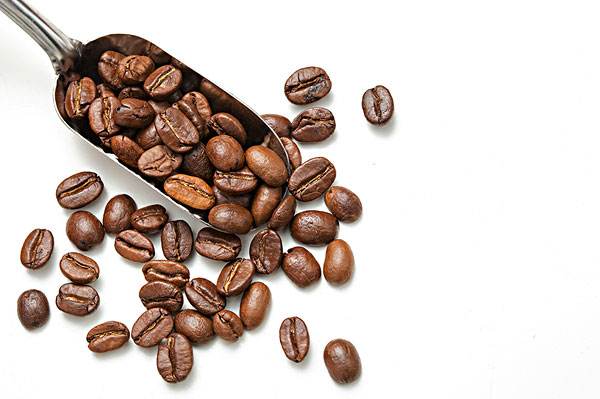
An introduction to the flavor of Bolivian coffee beans in South America
Following caf é (Wechat official account vdailycom) found that Beautiful Caf é opened a small shop rich in coffee beans in South America, and Bolivia is no exception. The unique rainforest environment in some parts of Bolivia provides excellent natural conditions for the growth of organic coffee. The aroma of Bolivian coffee is rich and unique, whether it is the aroma of ground beans or made.

Characteristic Information and Flavor description of Bolivian Coffee Bean
Professional barista exchanges please follow the coffee workshop (Wechat official account cafe_style) Lake Titicaca Copacabana country: Bolivia altitude: 3812m production area: Lake Titicaca roasting degree: moderate baking treatment: washed Lake Titicaca is located on the Coao Plateau on the border between Bolivia and Peru, is the highest and largest light in South America

Introduction to the flavor producing areas of Bolivian boutique coffee with average quality
Most of the coffee in Bolivia is of mediocre quality, but the production of boutique coffee has developed rapidly in recent years, and there have been a lot of pretty good beans. In recent years, the COE (Cup of excellence) system, which was first implemented in Brazil, has gradually become popular. Bolivia has also introduced this system, which can stimulate the enthusiasm of coffee farmers on the one hand and improve coffee on the other.

Bolivian Snow Veins Manor Coffee Flavor Description Variety Production Characteristics Fine Coffee Bean Introduction
In 1932 Bolivia and Paraguay fought for oil resources in the North Chaco region and the Chaco War broke out. Bolivia was defeated and lost a large part of its territory. April 1952 outbreak of armed popular uprising, nationalist revolutionary movement leader Passeden Soro took office as president. Since then, military coups have been frequent and the political situation has been turbulent for a long time. October 1983 Restoration of modern assets with South American characteristics

Types and characteristics of Bolivian coffee beans
In the past, coffee trees in Bolivia used to act as hedges and ornaments around the garden. Real commercial production began in the early 1950s. The great frost of 1957 seriously damaged Brazil's coffee industry, while Bolivia (Bolivia) benefited from it and developed rapidly. Bolivian coffee is grown at an altitude of 180,670 meters above sea level.

Introduction to the production area of Bolivian Coffee with rich and unique aroma
Wash Bolivia by hand with a cup of water, it is recommended to use 15 grams of powder at 87 degrees water temperature, ratio of water to powder at 1:15, moderate grinding (small Fuji ghost tooth knife 3.5-4 grinding), V60 filter cup, the first injection of 30g water for 25s steaming, injection to 110g water cut off, waiting for powder bed water to half of the water and then water injection, slow water injection until 230g water, not at the end, extraction time 2fun 00s flavor: roasted nuts and apricot.

Cultivation of Bolivian boutique coffee beans with dried almonds: a brief introduction to geographical location, climate and altitude
Bolivia not only has a unique growing environment, but also has an excellent coffee variety Typica. In the past two hundred years, the main variety of coffee in Yanggas area is the ancient Tibica. Tibica coffee has a balanced and soft flavor, with lively aroma and rich sour taste. Unfortunately, the low production of Tibika and its poor disease resistance make Bolivia's